Better Sleep Hacks

Chandan Singh
| 23-01-2026
 · Lifestyle Team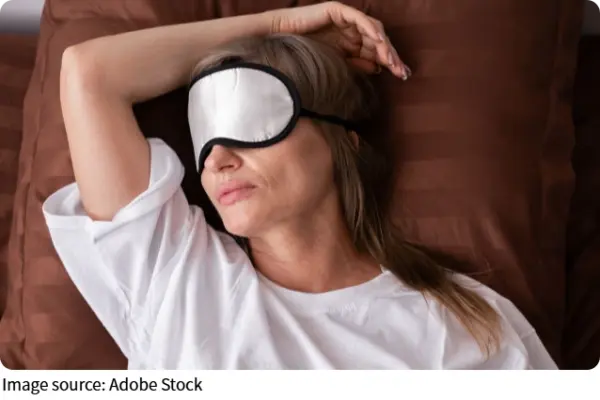
We often think sleeping longer is the secret to waking up refreshed. But the truth is, sleep quality matters much more than hours. Poor sleep leaves us groggy, stressed, and unfocused—even if we’ve been in bed for eight hours.
Optimizing sleep doesn’t mean complicated routines or fancy gadgets. It means simple, science-backed hacks we can weave into our daily life, starting tonight.
Hack 1: Master the Two-Hour Wind-Down
The two hours before bedtime set the stage for how we sleep. We should dim the lights and switch devices to “night mode” to cut down blue light. Using warm bulbs under 3000K makes a huge difference in signaling our brain that it’s time to rest.
Our bodies also need cues. A 15-minute foot soak in warm water with a drop of lavender oil relaxes muscles and calms nerves. A simple stretch—lying on your back with legs resting against the wall for 10 minutes—helps drain tension from the lower body. And for our mind, writing down tomorrow’s to-do list clears mental clutter, while the 4-7-8 breathing technique slows us into a restful rhythm.
Hack 2: Upgrade Your Bedroom Environment
A perfect sleep space is dark, cool, and quiet. Blackout curtains plus an eye mask block unwanted light. White noise from a speaker or app keeps distracting sounds under control. An ideal temperature is between 18–22°C—cool enough for deep sleep but not uncomfortably cold.
Our bed setup matters too. A supportive mattress, paired with a breathable pillow and a weighted blanket, creates a cocoon for rest. Just remember: change bedding often, keep the room clutter-free, and air it out daily.
Hack 3: Eat and Drink for Better Sleep
What we consume during the day shows up at night. Sleep-friendly foods include tart cherry juice (a natural melatonin source), pumpkin seeds rich in magnesium, and herbal teas like chamomile or longan tea. Small pieces of dark chocolate (85% cocoa or higher) can ease anxiety when eaten earlier in the evening.
On the flip side, energy drinks, late caffeine, and heavy spicy meals disrupt sleep cycles. Even healthy foods like broccoli can trigger bloating and make it harder to fall asleep.

Hack 4: Move Your Body at the Right Time
Exercise is a powerful sleep booster—if timed right. A brisk 20–30 minute walk after work helps us fall asleep faster. Gentle stretches before bed calm the body. But intense late-night workouts can overstimulate us and keep us awake longer. The key is balance: energize by day, relax by night.
Hack 5: Rescue Plans for Sleep Emergencies
Sometimes life throws us off schedule—jet lag, exams, or hormonal shifts. Wearing sunglasses after a night shift helps prevent sunlight from confusing our body clock. For anxiety-filled nights, holding a cold compress in one hand activates calming nerves. During hot flashes, moisture-wicking pajamas and a frozen water bottle near the bed keep us comfortable.
Hack 6: Rethink Naps
Naps are a double-edged tool. Short naps of 20–30 minutes refresh us, but anything longer can leave us groggy and even interfere with nighttime rest. The sweet spot? A quick recharge before 3:00 p.m. that doesn’t throw off our sleep schedule.
Hack 7: Create a Sleep Journal
Tracking our patterns helps us see what works. A simple sleep journal noting bedtime, wake-up time, meals, and how rested we feel in the morning can reveal hidden disruptors. Over time, we learn which habits give us the best nights—and which ones sabotage them.
Hack 8: Separate Work and Rest Spaces
Our brains link spaces with activities. If we answer emails in bed, our brain doesn’t see the bed as a place for rest. Charging our phone outside the bedroom, keeping laptops off the bed, and setting a “cut-off” time for work allow our minds to disconnect.
Hack 9: Build Consistency
Sleep thrives on routine. Going to bed and waking up at the same time every day—even on weekends—strengthens our body’s natural rhythm. Over time, our body learns when to switch off and when to wake up, making mornings smoother and more energized.
Our Sleep Journey
Lykkers, sleep optimization isn’t about adding more hours to the night—it’s about making each hour count. From small changes like dimming the lights to consistent bedtime routines, every hack brings us closer to the deep, restorative sleep we all crave.
So here’s the question: are we ready to treat sleep as our daily recharge ritual, not just an afterthought? Let’s start tonight—because tomorrow, we’ll thank ourselves for it.
Why You Wake Up Exhausted (Even After 8 Hours)
Video by Nurse Sarah Jeffries