Plants Eat Pollution
Ethan Sullivan
| 23-01-2026
 · Plant Team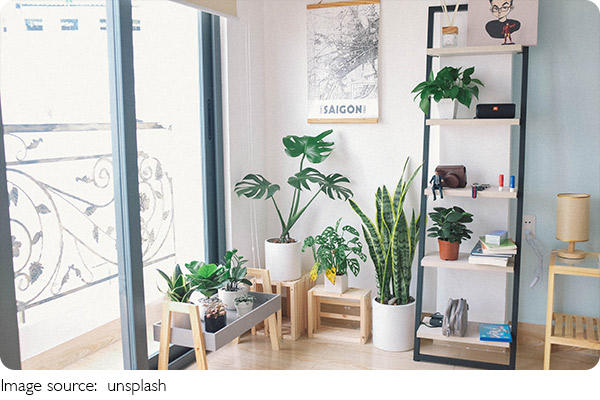
I used to think houseplants were just there to look pretty and die tragically after I forgot to water them for three weeks. Then I read about a NASA study from the late ‘80s—yes, the space agency—that tested how well certain plants ingested toxins out of sealed chambers.
Not sci-fi. Real science. And guess what? Your peace lily is basically a silent, leafy air filter that doesn't need a plug.
Turns out, some plants don't just sit there looking decorative. They pull in pollutants like formaldehyde (from plywood, carpets, nail polish), benzene (from detergents, plastics, synthetic fabrics), and trichloroethylene (from printer ink, paint strippers) through their leaves and roots—and quietly break them down. No fan noise. No replacement filters. Just photosynthesis doing overtime.
How a leaf becomes a detox machine
It's not magic. It's biology with a side of microbiology. Here's the short version:
Plants breathe through tiny pores in their leaves called stomata. They ingest in air—including the bad stuff. Once inside, toxins travel down to the roots. That's where the real cleanup crew lives: microbes in the soil. These little guys chew up chemicals like formaldehyde and turn them into harmless compounds—or even food for the plant. The plant, in return, leaks sugars into the soil to keep the microbes happy. Mutual back-scratching. Literally underground.
NASA's tests showed that in a sealed room, certain plants could remove up to 87% of volatile organic compounds (VOCs) in 24 hours. That's not “kinda helps.” That's “your fern is working harder than your HVAC system.”
Top 5 air-scrubbing champs (and where to put them)
Not all plants pull their weight. Some are better at toxin removal than others. Here's who made the cut—and where they'll do the most good.
1. Spider Plant – Ridiculously hard to damage. Great for bedrooms. Targets formaldehyde and xylene. One study showed it removed 95% of carbon monoxide in a sealed chamber. Hang it. Forget it. It'll still thrive.
2. Peace Lily – Elegant, moody, loves bathrooms. Ingest ammonia (from cleaners), benzene, and formaldehyde. Bonus: it tells you when it's thirsty—droops dramatically. Water it, and it perks right up.
3. Snake Plant – The night shift worker. Releases oxygen at night (unusual for plants). Perfect for bedrooms. Handles formaldehyde, benzene, and trichloroethylene. Water it once a month. Maybe.
4. Boston Fern – Loves humidity. Ideal for kitchens or near laundry rooms. Targets formaldehyde like a champ. Just don't let it dry out—this one's a drama queen if you skip watering.
5. Bamboo Palm – Tall, feathery, loves bright indirect light. Excellent at removing benzene and trichloroethylene. Put it near your printer or home office gear.
Placement matters more than you think
Stick a fern in a dark corner? It'll survive, but it won't clean much. These plants need decent light to power their detox systems. Not direct sun—just steady, bright indirect light.
• Near printers or electronics? Go bamboo palm or snake plant.
• Next to new furniture or carpet? Peace lily or spider plant.
• In the bathroom? Boston fern or peace lily—they love the steam.
• Bedside table? Snake plant. It's basically a silent oxygen bar while you sleep.
Don't expect miracles (but do expect results)
One plant won't fix a freshly painted room full of particleboard furniture. You need volume. NASA's recommendation? At least one plant per 100 square feet. So for a 500-square-foot apartment, you'd want five solid performers. Mix and match. Stack them on shelves. Cluster them in corners.
And no—plants won't replace your air purifier if you've got serious allergies or asthma. But they'll reduce background toxins. And they do it while looking nice. Win-win.
Keep them alive = keep them cleaning
A dead plant doesn't scrub air. An unhappy plant barely tries. Keep them healthy:
• Water when the top inch of soil is dry (stick your finger in—no gadgets needed).
• Wipe leaves monthly with a damp cloth—dust blocks stomata.
• Rotate pots every few weeks so all sides get light.
• Repot every 1–2 years. Roots need room to stretch—and that's where half the detox magic happens.
Why this isn't just about “clean air”
Sure, fewer toxins = better breathing. But there's a side effect nobody talks about: presence. When you care for something that cares back (by cleaning your air, cheering up your space, surviving your neglect), it changes how you move through your home. You notice the light. You pause to water. You feel the humidity shift. You remember to open a window.
Clearer air, Calmer mind, Quieter space—all from something that costs less than a takeout meal.
Start small. Breathe easier.
You don't need a jungle. Start with one. A snake plant by your bed. A spider plant hanging near your desk. Watch it. Water it when it looks thirsty. Wipe its leaves when they get dusty. In a few weeks, you might notice your headaches are less frequent. Or you're sleeping deeper. Or you just feel… lighter.
That's not placebo. That's your plant, quietly converting your air gunk into oxygen and peace.
So—what's the first toxin you want your next plant to eat?