Flowers' Secret Signals
Nolan O'Connor
| 23-01-2026
 · Animal Team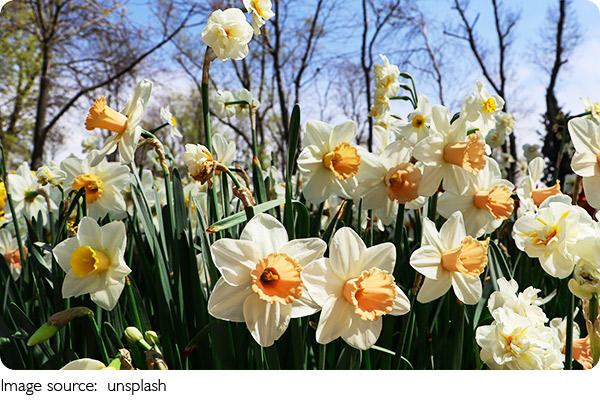
Flowers Speak a Silent Language
Imagine walking through a garden on a sunny day.
You notice the bright colors of the flowers, the sweet scents filling the air, and the fluttering of bees and butterflies moving from bloom to bloom. But what if I told you that flowers aren't just pretty decorations—they're sending out secret signals to attract these pollinators?
Pollination is one of nature's most crucial processes, and plants have evolved fascinating ways to communicate with pollinators like bees, butterflies, and even birds. Through floral signaling, flowers attract the right pollinators to ensure their survival and reproduction. But how do they do it? Let's dive into the hidden language of flowers and how they send out signals to get the attention of the right creatures.
What Is Floral Signaling?
Floral signaling refers to the cues plants use to attract pollinators, including visual, olfactory (smell), and even tactile signals. Essentially, flowers send out "messages" that invite pollinators to visit them. Once a pollinator, such as a bee or butterfly, approaches a flower, they pick up these cues and are often rewarded with nectar or pollen in return.
For plants, this is a matter of survival. Pollination enables flowers to reproduce by transferring pollen from one flower to another, allowing them to produce seeds. Different plants use different strategies to communicate with specific pollinators, ensuring that their pollen reaches the right species for cross-pollination.
Types of Floral Signals that Attract Pollinators
Plants have developed a variety of signaling techniques to get pollinators' attention. Here are some of the most effective ones:
1. Color Signals: The Visual Cues
The color of a flower is one of the first signals pollinators notice. Flowers have evolved in a way that attracts the visual preferences of their primary pollinators. Bees, for example, are especially attracted to blue and violet flowers, while butterflies tend to favor bright red and orange flowers.
These colors help pollinators locate the flowers they need, and they can even indicate the type of reward (nectar, pollen) that's available. For instance, yellow and blue flowers often signal that a flower is rich in nectar, which draws in bees looking for a sugary treat.
2. Scent Signals: The Fragrant Attraction
Another important form of floral signaling is scent. The fragrances flowers produce are not random—they are tailored to attract specific pollinators. Some flowers, like jasmine and lavender, release sweet, pleasant scents to attract bees and butterflies, while others like corpse flowers produce foul odors to attract flies and beetles, which are their preferred pollinators.
Scent plays a significant role in night-blooming flowers. Flowers that bloom at night, like evening primrose, produce stronger fragrances to attract nocturnal pollinators, such as moths and bats. The scent guides these creatures to the flowers, ensuring pollination during the evening hours when these pollinators are most active.
3. Nectar Guides: The Path to Sweetness
Flowers often feature subtle markings known as nectar guides, which are usually visible only to their specific pollinators. These guides are patterns on the petals that direct the pollinator to the nectar. They may appear as lines, spots, or other markings that act like a visual map.
These markings are often invisible to humans but serve a crucial role for pollinators. For example, many bees can see ultraviolet light, so they are able to pick up on these guides and follow them straight to the nectar. In this way, flowers help ensure that the pollinator spends time in the right place, picking up and transferring pollen in the process.
4. Shape and Structure: A Physical Invitation
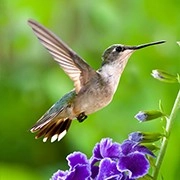
The shape and structure of a flower are also essential in signaling to the right pollinators. Flowers that are tubular, like those of trumpet vines or honeysuckles, are designed to fit the long tongues of hummingbirds. On the other hand, flowers with broad, open shapes are better suited for butterflies and bees that can land easily to gather nectar.
Additionally, the size of the flower can serve as a signal. For instance, large flowers may attract larger pollinators, such as hummingbirds, which are capable of handling the size of the flower and accessing its nectar. Smaller flowers tend to attract bees and flies, which are better suited for the smaller size and structure.
How Pollinators Benefit from Floral Signals
Just as flowers use signaling to attract pollinators, pollinators have evolved their own ways of "reading" these signals. They rely on cues from flowers to find food, shelter, and even mates. For instance, bees are equipped with excellent color vision, allowing them to spot flowers from far away. Their ability to see ultraviolet light helps them follow the nectar guides that flowers use to lead them to the sweet rewards inside.
Pollinators, in turn, help flowers by transferring pollen, which facilitates fertilization. This relationship benefits both parties: plants get their pollen spread to new flowers, while pollinators are rewarded with nectar or pollen, which they use for food. This mutualistic relationship is essential for many ecosystems and is vital for the reproduction of many plant species.
Why Floral Signaling Is Vital for Ecosystem Health
Floral signaling is a key factor in maintaining healthy ecosystems. The process of pollination supports biodiversity by ensuring that a variety of plant species can reproduce and thrive. In turn, this supports a diverse range of animals, insects, and other organisms that depend on plants for food and habitat.
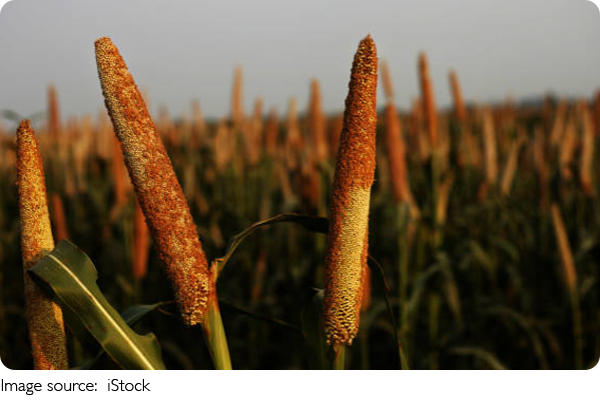
Moreover, pollinators such as bees and butterflies are integral to agriculture. They help crops like fruits, vegetables, and nuts flourish, which in turn provides food for humans and animals alike. Protecting the pollinators and the flowers they are drawn to is crucial for maintaining a balanced, sustainable environment.
Final Thoughts: The Language of Flowers
The next time you stroll through a garden, take a moment to appreciate the intricate dance of signals between flowers and pollinators. It's not just a chance encounter—it's a carefully orchestrated relationship, one that ensures the survival of many plant species and maintains the balance of our ecosystems. By understanding how plants communicate with their pollinators through colors, scents, and shapes, we gain a deeper appreciation for the complexity of nature and the delicate connections that sustain life on Earth.