Ping Pong Master

Ravish Kumar
| 09-01-2026
 · Sport Team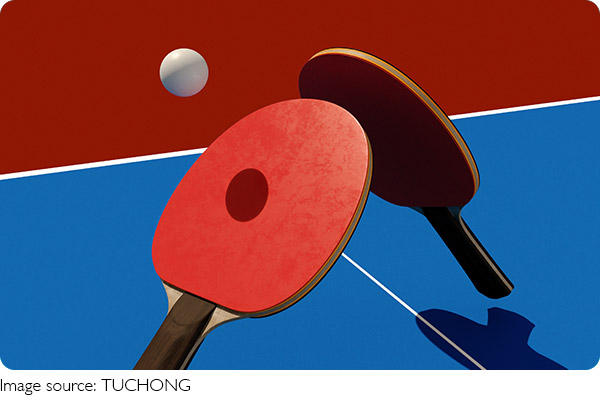
Ping pong is more than just a quick game on a table—it’s fast, fun, and full of surprises. We can play it casually with friends or watch professionals in tournaments, and no matter the level, it always keeps us on our toes.
This exciting racket sport, also called table tennis, is enjoyed by millions around the world.
Origins and Popularity
Ping pong began in the 1880s, originally as an indoor version of tennis played on tabletops. Over time, it evolved into a professional sport with standardized rules and equipment. Today, we can find ping pong clubs, community centers, and even professional leagues almost everywhere. It’s especially popular in Europe and Asia and has been an Olympic sport since 1988.
Equipment Essentials
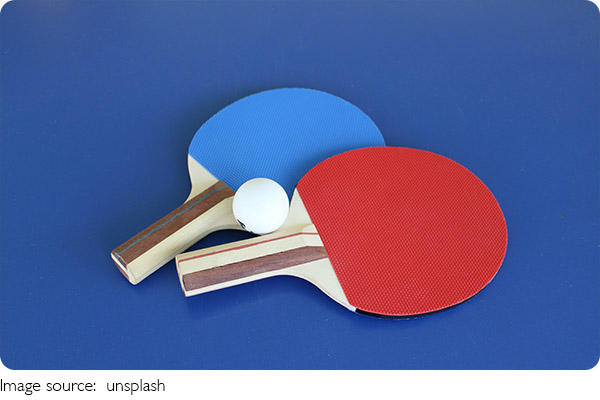
To play, we need a paddle (racket) and a small plastic ball, usually labeled 40+ to indicate its diameter. The standard size ensures fairness and consistency in professional matches. The ball used to have a diameter range of 39.5–40.5 mm but is now set at 40–40.6 mm. The table is divided by a net, and players hit the ball back and forth, aiming to land it on the opponent’s side. In casual games, we can also enjoy various styles of paddles and colored balls for fun.
How the Game Works
Ping pong can be played in singles (one-on-one) or doubles (two-on-two). The basic goal is simple: we hit the ball so the opponent cannot return it, or the ball doesn’t land on their side of the table. Each successful point gives one score to the player or team. In a single game, the first player to reach 11 points wins, but if the score is tied at 10–10, we continue until one side gains a 2-point lead.
Match Formats and Rules
In professional tournaments, singles or doubles events usually follow a “best-of-seven” system, meaning the first to win four games takes the match. In team events, singles or doubles matches follow a “best-of-five” system, with three wins securing victory. Even in tour-level doubles competitions, the best-of-five format is applied. This structure keeps matches exciting and ensures fair competition, while also allowing players to demonstrate stamina, strategy, and precision.
Techniques and Strategies
To excel in ping pong, we must focus on control, speed, and spin. Serving is critical: a well-placed serve can immediately put the opponent on the defensive. During rallies, maintaining a mix of fast and slow shots, combined with spin variations, helps us stay unpredictable. Footwork is just as important—we need to move quickly side to side while staying balanced. Practicing these skills consistently improves both singles and doubles performance.
Why We Love Ping Pong
One of the great things about ping pong is how accessible it is. We can enjoy it indoors or outdoors, casually with friends or seriously in competitions. It’s excellent for improving reflexes, concentration, and coordination, making it both a fun pastime and a serious sport. Plus, it’s social—we often share laughs, cheer each other on, and celebrate victories together.
Getting Started
If we want to start playing, local sports clubs or community centers are perfect places to try out a game. Basic paddle and ball sets are inexpensive, and we can even find beginner-friendly tables in parks or schools. Starting with short rallies and simple serves helps us build confidence, and gradually practicing more advanced spins and footwork makes the game more enjoyable and challenging.
Master the Game Together
Ping pong is more than just a quick game; it’s a sport full of strategy, skill, and excitement. As we practice and learn new techniques, we improve our reflexes, coordination, and confidence. Playing with friends or joining a local club adds even more fun and energy to the game. So, grab a paddle, find someone to challenge, and let’s enjoy the thrill and rewards of ping pong together!
Basic Rules of Table Tennis – A Beginner’s Guide
Video by PingSkills