Active Fun for Dogs

Mukesh Kumar
| 09-03-2026
 · Animal Team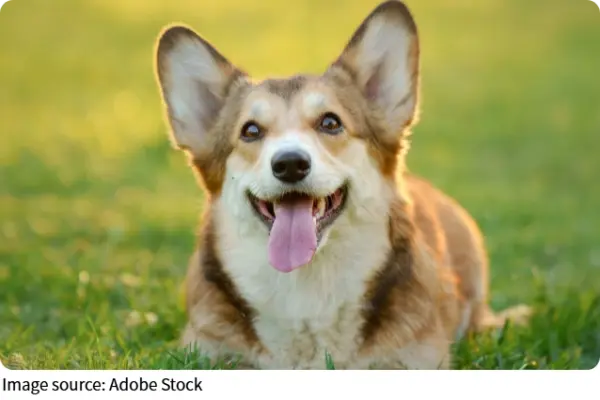
Walking your dog is more than a daily task—it’s a chance to strengthen your bond and enjoy fresh air together. Regular walks provide both physical exercise and mental stimulation, helping dogs stay healthy and engaged.
With a few simple habits, you can turn every outing into a fun and rewarding experience for both of you.
Ways to Make Dog Walks More Enjoyable
1. Morning or Evening Walks
Choose times when the temperature is comfortable. Early mornings or late afternoons are ideal to avoid midday heat. A brisk 30–60 minute walk stimulates muscles and keeps energy levels balanced.
2. Neighborhood Exploration
Vary your walking routes weekly. Different streets, parks, or nearby trails expose dogs to new scents and sights, enhancing curiosity and reducing boredom.
3. Safety Tips
Always use a sturdy leash, carry water for your dog, and pick up after them. Avoid busy roads or overly crowded areas to keep walks enjoyable and stress-free.
Swimming and Water Play
Water activities are excellent low-impact exercise, especially for dogs with joint sensitivity. Many dogs instinctively love water, and swimming provides cardiovascular benefits without stressing their limbs.
1. Safe Swimming Spots
Opt for dog-friendly lakes, calm rivers, or supervised beaches. Avoid areas with strong currents, algae blooms, or excessive debris.
2. Introduce Gradually
Let your dog enter shallow water first. Use treats and encouragement to create a positive association. Wearing a dog life vest adds safety for beginners.
3. Post-Swim Care
Rinse off any sand, salt, or chlorinated water to prevent skin irritation. Dry ears carefully to avoid moisture-related infections.
Hiking Adventures
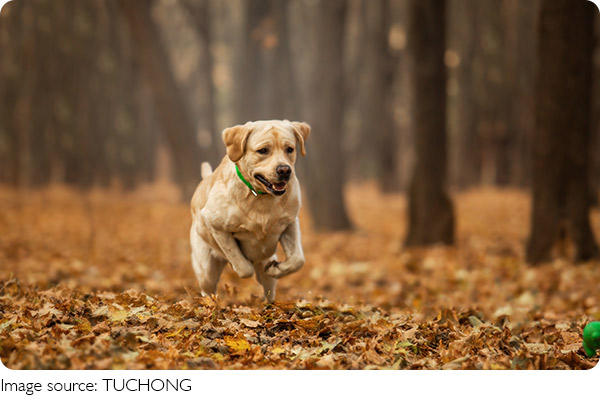
Hiking introduces dogs to rugged terrain, stimulating both body and mind. Trails with gentle slopes, shaded areas, and scenic views provide a fun challenge while allowing dogs to explore safely.
1. Select Appropriate Trails
Match the trail difficulty with your dog's stamina and experience. Check for pet-friendly trails and avoid long or overly rocky routes for small breeds.
2. Pack Essentials
Bring water, collapsible bowls, dog treats, and a first-aid kit. A small backpack on your dog can also make hikes more engaging.
3. Observe Environmental Cues
Watch for signs of fatigue, overheating, or paw discomfort. Take breaks in shaded areas and always follow trail rules to protect wildlife.
Agility Training and Playgrounds
Agility exercises improve coordination, confidence, and obedience. Backyard or local dog parks often have tunnels, jumps, and weave poles that challenge your dog's physical and mental abilities.
1. Basic Obstacle Courses
Set up low jumps, cones for weaving, or tunnels to introduce agility gradually. Reward attempts with positive reinforcement.
2. Use Structured Play
Combine agility with fetch or tug games to mix skill-building with fun. Consistency and short sessions prevent frustration.
3. Monitor Stress Levels
Not all dogs enjoy structured challenges. Watch for signs of anxiety or reluctance and adjust the difficulty or duration to maintain enjoyment.
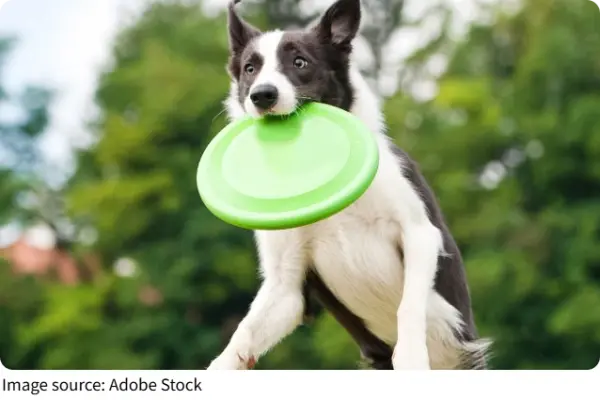
Outdoor activities are more than exercise—they're a chance to strengthen the bond with your dog, stimulate their mind, and explore new environments together. Every trail sniffed, splash in water, and tunnel navigated contributes to a happier, healthier companion. Even a short daily walk can make a difference, while occasional adventures like hiking or agility bring excitement and variety. So grab the leash, plan your next outing, and watch your dog thrive in the great outdoors. Their joy will remind you that the best moments are often the simplest, spent side by side.