Vase Secrets for Blooms

Santosh Jha
| 15-04-2026
 · Plant Team
There is a common heartbreak in the world of home decor: you buy a stunning, vibrant bouquet of fresh lilies or roses, bring them home, and drop them into the first glass jar you find—only for them to look awkward, floppy, and uninspired.
Many believe the beauty lies solely in the petals, but the truth is that the vase is the "scaffolding" of your floral art. It dictates the silhouette, the longevity, and the overall mood of the arrangement.
Choosing the right vessel is the difference between a cluttered bunch of stems and a curated masterpiece that breathes life into your living space.
The Geometry of Stem Support
The most important factor in choosing a vase is the relationship between the opening (the neck) and the height of the stems. If the neck is too wide, your flowers will splay out to the sides, leaving a gaping, empty hole in the center. If the neck is too narrow, you risk crushing the stems, which prevents vital water intake and leads to premature wilting.
For heavy-headed flowers like hydrangeas, a "column" vase with a slightly flared top is ideal. It provides the vertical support needed to keep the heavy blooms upright while allowing the heads to breathe. Conversely, for delicate, wildflower-style arrangements, a "bottle" vase with a thin neck forces the stems together, creating a look of intentional, airy elegance with very little effort.
Material Matters: Glass vs. Ceramic
Your choice of material does more than just match your furniture; it changes the "visual weight" of the arrangement. Clear glass vases are timeless because they celebrate the entire plant, including the stems. However, they require immaculate maintenance. Murky water or slimy stems visible through clear glass will instantly ruin the aesthetic.
Opaque ceramic or stoneware vases are the "cheat code" for busy decorators. They hide the chaotic mess of stems and the water level, allowing the focus to remain entirely on the colors and textures of the blooms. A matte-finished ceramic vessel adds a modern, sophisticated touch, while a textured, glazed vase can complement the organic ridges of leaves and petals.
Matching Shapes to Floral Species
Not every flower is built to sit in every container. To achieve a professional look, you must match the natural growth habit of the plant to the architecture of the vessel:
1. Round or Fishbowl Vases: Best for large-headed flowers with short stems. By cutting the stems short, the blooms can rest directly on the rim, creating a lush, "cloud-like" effect.
2. Bud Vases: Perfect for single, striking stems like an orchid or a singular tulip. These are excellent for bedside tables where space is limited but a touch of life is needed.
3. Rectangular Vases: Ideal for modern, architectural arrangements using calla lilies or branches. They create a "hedge" look that works beautifully on dining tables.
4. Hourglass Vases: The most versatile shape, as the cinched middle holds stems in place while the flared top allows the bouquet to spread naturally.
The Golden Ratio of Arrangement
A professional florist's secret is the "One-and-a-Half" rule. To ensure your arrangement looks balanced rather than top-heavy or diminutive, the height of your flowers should ideally be 1.5 times the height of the vase. For example, if your vase is 8 inches tall, your flowers should extend approximately 12 inches above the rim. This mathematical balance creates a sense of harmony that the human eye naturally finds pleasing.
Before placing your stems, remember to remove any leaves that sit below the water line. This is not just for aesthetics; submerged leaves rot quickly, releasing bacteria that compromise your flowers. A clean vase and clean stems are the foundation of a long-lasting display.
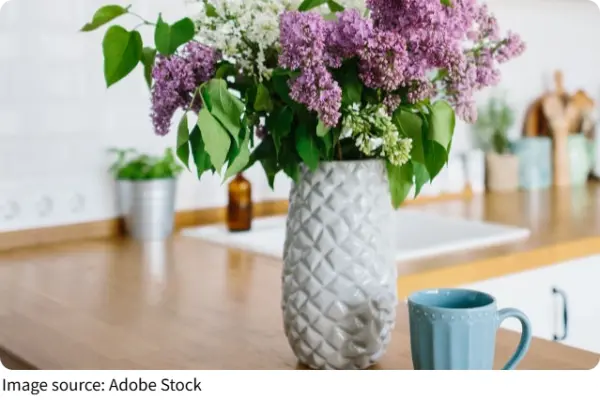
Selecting a vase is an exercise in intentionality. It forces us to look closer at the natural architecture of the world around us—the curve of a stem, the weight of a bud, and the way light passes through water. When we take the time to find the perfect home for a flower, we are practicing a small form of stewardship. It is a reminder that even the most beautiful things in life require support and a proper environment to truly flourish. A vase is not just a container; it is the silent partner that allows nature's beauty to stand tall in our modern world.