Bedroom Plants

Declan Kennedy
| 22-04-2026
 · Plant Team
A bedroom feels instantly different when a touch of greenery enters the space.
Soft leaves catching morning light, quiet shadows on walls, and a subtle sense of freshness can turn a simple room into a more restful environment.
Choosing the right plants is less about decoration alone and more about creating balance, comfort, and atmosphere.
Why Plants Belong in the Bedroom
Indoor greenery can subtly influence how a room feels. Plants help soften hard edges, reduce visual clutter, and introduce a natural rhythm into daily life.
In a bedroom setting, the goal is calmness. That means selecting plants that are easy to maintain, visually gentle, and suited to lower light conditions.
They also add a quiet design layer—something alive but unobtrusive.
Best Low-Maintenance Bedroom Plants
Some plants naturally adapt better to indoor environments, especially where light and airflow are limited.
Here are reliable options:
1. Snake Plant
Tall, structured leaves that grow vertically, making it ideal for corners or bedside placement. It requires minimal watering and adapts well to low light.
2. Peace Lily
Soft green leaves with occasional white blooms. It prefers moderate light and adds a calm visual softness to interiors.
3. Pothos
A trailing plant that works well on shelves or hanging holders. Its vines create natural movement in the room.
4. ZZ Plant
Known for its glossy leaves and resilience, it thrives even when neglected for periods of time.
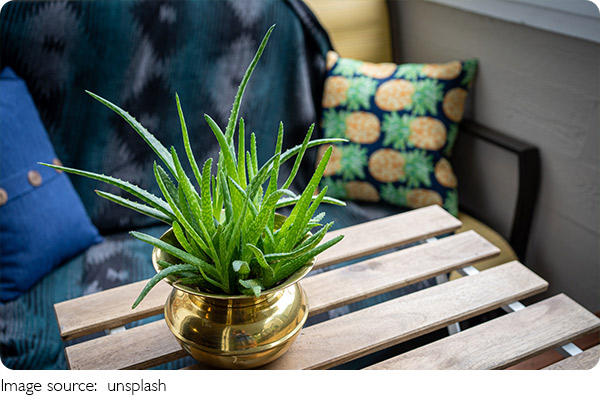
5. Aloe Vera
Compact and structured, it fits small spaces and adds a clean, sculptural look.
Where to Place Them
Placement plays a key role in how plants interact with a bedroom's layout.
Good positioning ideas include:
1. Bedside tables — small plants that add softness without clutter
2. Window sills — for plants that enjoy indirect light
3. Corners of the room — taller plants that balance empty space
4. Shelving units — trailing plants that add vertical movement
The aim is to integrate greenery naturally, not overload the space.
Light and Air Considerations
Bedrooms often have varying light conditions. Understanding this helps keep plants healthy over time.
Most suitable indoor plants prefer indirect light rather than strong direct exposure. If natural light is limited, rotating plants closer to windows occasionally helps maintain growth balance.
Air circulation also matters. A lightly ventilated space prevents moisture buildup and keeps leaves healthier.
Simple Care Routine
Plant care in a bedroom should remain simple and low-stress. Overcomplication often leads to neglect.
A basic routine includes:
1. Checking soil moisture weekly — avoid overwatering
2. Wiping leaves occasionally — keeps surfaces clean and helps light absorption
3. Rotating pots — ensures even growth on all sides
Consistency matters more than intensity when caring for indoor plants.
Designing with Green Balance
Plants are not just additions—they are part of spatial design. A single well-placed plant can change how a room feels more effectively than multiple scattered ones.
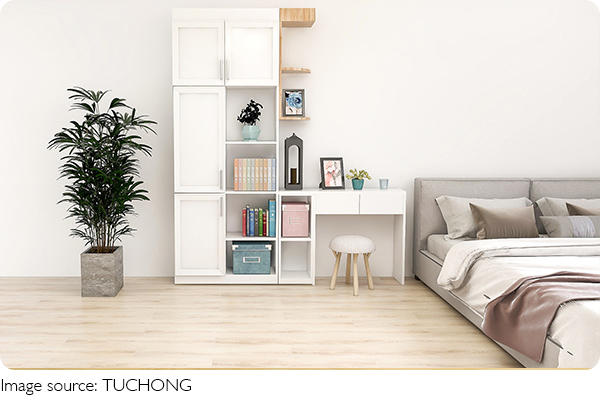
Pairing plant shapes with furniture lines helps create harmony. For example, tall upright plants balance low furniture, while trailing plants soften sharp edges.
Color contrast also plays a role. Deep green tones work well with neutral bedding and warm lighting, creating a layered but calm visual effect.
A More Restful Atmosphere
A bedroom with thoughtful greenery often feels more grounded. The presence of living plants introduces a slow rhythm into the space—subtle growth, seasonal change, and natural variation.
Over time, this quiet presence becomes part of daily comfort. It is not about transforming the room dramatically, but about adding a steady sense of calm that blends into rest and routine.
Well-chosen indoor plants turn a bedroom into more than a sleeping area—they create a softer environment where the day naturally begins and ends with ease.