Seasonal Blooms

Naveen Kumar
| 26-04-2026
 · Plant Team
A fresh bouquet on the table can instantly change the mood of a room. But what makes flowers even more interesting is how they shift with the seasons.
Each time of year brings its own colors, textures, and natural rhythm, shaping what blooms are at their best.
Knowing what to choose helps arrangements feel more natural and long-lasting.
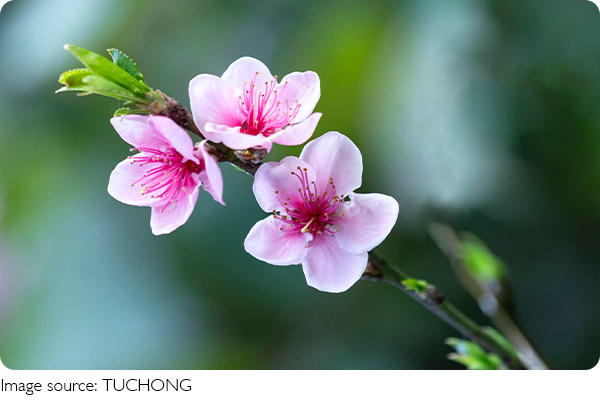
Spring Freshness
Spring is a season of renewal, and flowers reflect that soft, uplifting energy. This is when gardens and markets start to fill with delicate petals and bright tones.
Popular spring choices:
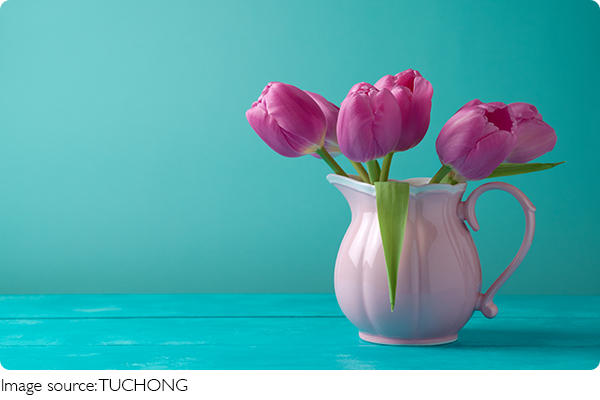
• Tulips for clean, elegant shapes
• Daffodils with bright yellow tones
• lush blooms with soft, layered petals
• Hyacinths for gentle fragrance
Arrangements in this season often feel light, airy, and full of life. Soft pinks, yellows, and whites are especially common.
Summer Brightness
Summer flowers tend to be bold, vibrant, and full of energy. Longer daylight supports strong blooms and richer colors.
Good summer options:
• Sunflowers with strong golden tones
• Roses in deeper, more saturated shades
• Lavender for fragrance and texture
• Dahlias with complex, layered petals
Bouquets in summer often feel expressive and full, with warm and bright color combinations.
Autumn Warmth
Autumn flowers shift toward deeper, earthy tones. The mood becomes more grounded, with warm oranges, reds, and muted yellows.
Seasonal picks include:
• Chrysanthemums with full, rounded shapes
• Marigolds in rich orange tones
• Asters for soft purple accents
• Sunflowers still present but with deeper hues
These arrangements often pair well with dried elements like branches or seed pods for added texture.
Winter Simplicity
Winter flowers are often more subtle, focusing on structure and contrast rather than abundance.
Common winter choices:
• Amaryllis with bold, upright blooms
• Camellias for soft elegance
• Holly branches with deep green leaves
• Paperwhites for delicate white flowers
Arrangements in winter tend to be minimal, highlighting form and calm color palettes.
How Seasons Shape Flower Quality
Seasonality affects more than appearance. It also influences freshness, longevity, and scent.
Key factors include:
• Temperature during growth
• Natural blooming cycles
• Availability in local markets
• Strength of fragrance and color
Choosing flowers in their natural season often results in better texture and longer vase life.
Simple Arrangement Tips
No matter the season, a few basic principles help create balanced arrangements.
1. Mix textures
Combine soft petals with structured stems for contrast.
2. Balance color tones
Avoid overwhelming one shade; blend complementary tones.
3. Adjust height
Vary stem lengths for a more natural look.
4. Keep water fresh
Replace water regularly to extend freshness.
Bringing It All Together
Each season offers its own floral personality. Spring feels light and gentle, summer is bold and expressive, autumn leans warm and grounded, and winter is calm and structured. Choosing flowers based on these seasonal rhythms makes arrangements feel more connected to nature.
Instead of treating flowers as static decoration, thinking seasonally turns them into a changing part of everyday life—one that reflects time, mood, and the quiet beauty of each passing season.