Camping Starter Kit
Pardeep Singh
| 02-05-2026
 · Lifestyle Team
When we plan our first camping trip, it is easy to feel unsure about what to bring. A simple and well-structured checklist helps us stay organized and enjoy the journey with more confidence.
Instead of overpacking or forgetting key items, we can focus on comfort, safety, and practicality. This guide walks us through the essential categories so we can prepare step by step and enjoy a smoother outdoor experience.
At the start, we should think about three main goals: protection from weather, comfortable rest, and basic daily needs. Once these are clear, packing becomes much easier and more efficient.
Shelter System for Stable Outdoor Protection
A reliable shelter is the foundation of any outdoor stay. We usually begin with a tent that has a double-layer waterproof design. This structure helps reduce moisture inside while improving stability outdoors. A strong frame, such as aluminum support poles, adds durability when wind conditions change. A helpful rule is to choose a tent size that fits the number of people plus one extra space, which gives more room for movement and storage.
Alongside the tent, a sun and rain cover can provide extra comfort in open areas. A rectangular design made from durable fabric works well for group use, especially when it offers sun protection coating. It creates a shared shaded space where we can relax or prepare meals.
To complete this system, a ground mat is important. It helps block moisture from the soil and protects the bottom of the tent. Some mats are shaped like eggshell patterns for durability, while others are inflatable for added softness. Adding a ground sheet underneath improves overall protection.
Sleep System for Restful Nights
Good rest allows us to enjoy the next day’s activities. A sleeping bag is one of the most important items in this category. We should choose one based on the lowest expected temperature of the camping area, ideally with a margin for extra comfort. Down-filled options work well in dry environments because they provide warmth without adding too much weight.
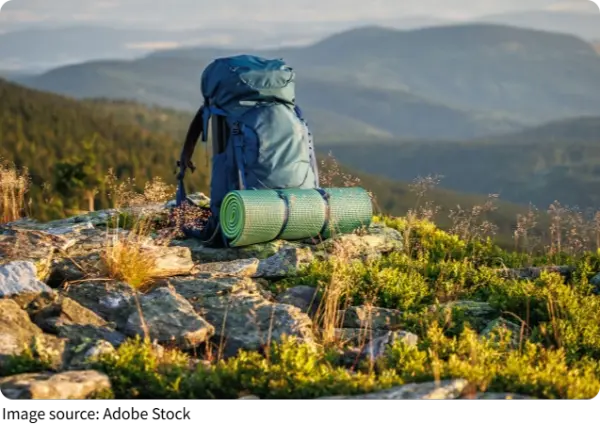
A compact pillow also improves sleep quality. Inflatable or foldable designs are helpful for saving space in our backpacks.
Lighting plays a role in nighttime comfort too. A main lamp with strong brightness helps during group activities, while a head-mounted light offers hands-free convenience. Choosing one with a soft red-light mode can make night movement more comfortable for our eyes.
Living System for Daily Outdoor Activities
Outdoor living becomes easier with the right setup. A lightweight folding table and chair set allows us to eat, relax, or organize items comfortably. Aluminum materials are often preferred because they are easy to carry and durable in different environments.
For transporting equipment, a sturdy wagon with wide wheels can reduce effort, especially when moving gear across uneven ground. It is helpful when carrying heavier items like water containers or storage boxes.
Storage boxes with moderate capacity can double as working surfaces. Some designs even come with a flat top, which can serve as a small table for preparing food or organizing tools.
Cooking and Water System for Simple Meals
Food preparation outdoors should be simple and safe. A portable stove is commonly used, often paired with a wind shield to maintain stable heat. In areas where open flames are restricted, alternative fire-starting tools can be useful.
Cooking pots made from lightweight materials allow us to boil, heat, or prepare meals without carrying unnecessary weight. A compact set that stacks together saves valuable space.
For hydration, a foldable water container is practical for collecting and storing water. A cooler box can help keep ingredients fresh when paired with cooling packs, especially during warmer days.
Safety and Protection Essentials
Safety should always be part of our preparation. A small first aid kit with basic medical items helps handle minor situations. It is helpful to include simple supplies such as bandages and basic relief tablets.
Protection from insects and sunlight is also important. Spray repellents, sun protection cream, and lightweight hats can help us stay comfortable throughout the trip.
Carrying waste bags supports responsible outdoor habits. Keeping the area clean ensures we respect nature and leave no unnecessary trace behind.
Helpful Tips Before We Go
For first-time experiences, we do not need to bring everything at once. Starting with essential items such as shelter, sleeping gear, cooking tools, and basic safety supplies is often enough. As we gain experience, we can gradually adjust and add more items based on personal needs.
In higher altitude areas, additional preparation like oxygen support may be considered. In regions with more wildlife activity, awareness and simple protective measures help improve safety.
Planning ahead allows us to focus less on worries and more on enjoying the environment, fresh air, and shared moments outdoors.
Before We Head Out Together
We hope this guide helps us feel more prepared for our first outdoor journey. Camping becomes much more enjoyable when we understand what truly matters and pack with purpose instead of pressure.
So, Lykkers, what would we pack first for our own outdoor trip? Sharing ideas can help all of us prepare even better for the next adventure.
Beginner Wild Camping Kit Guide 2026 - Scotland/UK
Video by Wild Camping Adam