Oud Secrets
Finnegan Flynn
| 12-05-2026
 · Art Team
The first time you hear an oud, it doesn’t just sound like music—it feels like a story unfolding. Its deep, rounded tones seem to carry centuries of memory, echoing through quiet rooms and lively gatherings alike.
Unlike many modern instruments, the oud doesn’t rely on complexity to impress. Its magic lies in subtlety, nuance, and a design that has remained surprisingly consistent over time.
What Makes the Oud Unique
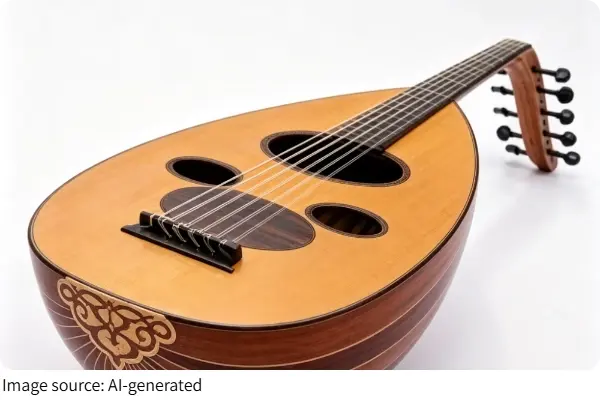
At a glance, the oud stands out for its pear-shaped body and short neck. But what truly defines it is what it lacks—frets. Without frets dividing the fingerboard, players can glide seamlessly between notes, creating expressive slides and microtones that are difficult to achieve on instruments like the guitar.
This design allows musicians to shape each note with precision and emotion, making every performance feel personal and fluid. The sound is warm, resonant, and slightly mysterious, often described as closer to the human voice than most string instruments.
A Deep History Carved in Wood
The oud is not just an instrument; it's a historical artifact still in use today. Its origins trace back thousands of years, influencing and being influenced by various cultures along ancient trade routes. Over time, it became a central instrument in Middle Eastern and North African music traditions.
Interestingly, the modern guitar is believed to have evolved partly from the oud. While today they serve different musical roles, they share structural similarities that reveal a common lineage.
Design Details That Shape the Sound
Every part of the oud contributes to its distinctive tone.
Bowl-shaped body
Made from thin strips of wood, the rounded back enhances resonance, producing a full and rich sound.
Short neck
This design keeps string tension lower, giving the instrument its soft yet powerful voice.
Double strings
Most ouds use paired strings, which create a fuller and more layered sound compared to single strings.
Sound holes
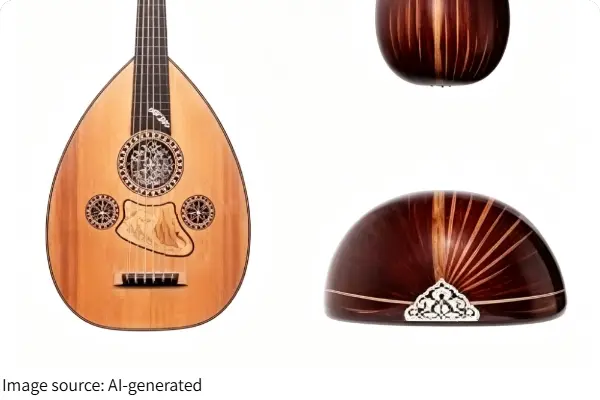
Often decorated with intricate patterns, these openings help project sound while adding visual beauty.
These elements work together to produce a tone that is both intimate and expansive.
Playing Style and Expression
Oud players typically use a pick, often longer and more flexible than standard guitar picks. This allows for both delicate plucking and rapid rhythmic patterns.
Because there are no frets, finger placement becomes an art form. Musicians rely on ear training and muscle memory rather than visual markers. This makes mastering the oud challenging, but also incredibly rewarding. The instrument excels in improvisation. Performers often explore melodic frameworks, creating variations in real time. This gives each performance a sense of spontaneity and emotional depth.
Why the Oud Still Matters Today
Despite its ancient origins, the oud continues to find a place in contemporary music. It appears in film scores, fusion genres, and experimental compositions. Its ability to blend with both traditional and modern instruments makes it highly versatile.
Musicians are drawn to its expressive range. Whether used in a quiet solo or a larger ensemble, the oud has a way of standing out without overwhelming the surrounding sound.
Fun and Lesser-Known Facts
Name meaning
The word “oud” comes from a term meaning “wood,” referring to its natural construction.
No standard tuning
Unlike many instruments, oud tuning can vary depending on the region or musical style.
Lightweight build
Despite its large appearance, the oud is surprisingly light, making it comfortable to hold for long sessions.
Decorative artistry
Many ouds feature detailed craftsmanship, turning each instrument into a visual work of art.
Global influence
Its design has inspired multiple instruments across different cultures over centuries.
The oud is more than just a musical tool—it's a bridge between eras, carrying tradition into the present. In a world where technology constantly reshapes sound, the oud remains a reminder that simplicity, when perfected, can be timeless.