Outdoor Learning Path

Kwame Johnson
| 23-06-2026
 · Lifestyle Team
In today's busy routines, children spend much of their time indoors, leaving fewer opportunities to explore the world through direct experience.
Yet even a nearby park or green space can become a place where curiosity grows, new skills develop, and everyday moments turn into meaningful learning experiences. Outdoor play offers children a natural way to explore, discover, and build confidence while enjoying the world around them.
Nature as a Living Classroom
Meaningful outdoor experiences do not require distant travel or special destinations. A neighborhood park, a grassy hill, or a quiet riverside path can become an inspiring place for exploration. Fallen leaves, soft soil, smooth stones, and flowing water create an environment that encourages imagination and discovery.
Children naturally interact with these surroundings. They build shapes with sand, collect leaves of different shapes, observe insects, and explore natural textures. Every activity encourages learning through direct experience. Climbing a gentle hill promotes balance and perseverance, while observing nature after rainfall introduces children to natural environmental processes and changing conditions.
Outdoor Play Encourages Thinking
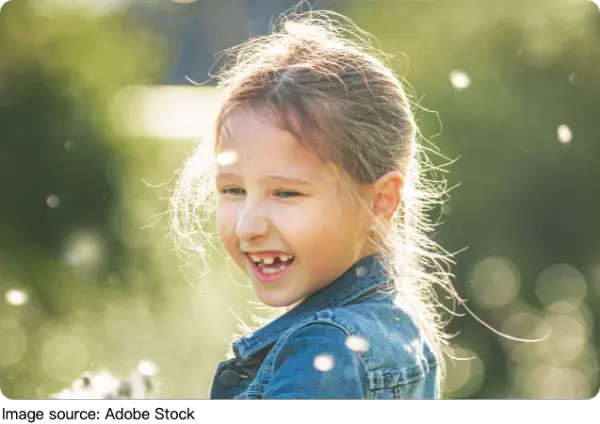
Outdoor environments stimulate children's senses in ways that indoor settings often cannot. They observe movement, listen to natural sounds, notice changing weather, and respond to new surroundings. These experiences encourage curiosity, careful observation, and active thinking.
Rather than simply receiving information, children begin asking their own questions and exploring possible answers. While arranging natural materials or building with sand, they experiment with balance, structure, and creative solutions. Running, climbing, and changing direction during play also strengthen coordination, concentration, and body awareness. Over time, regular outdoor exploration supports independence, adaptability, and a willingness to embrace new experiences.
Movement Builds Confidence
Regular physical activity contributes to far more than strength and coordination. Outdoor movement also supports emotional development by encouraging children to overcome challenges through experience.
During games and exploration, children learn to adapt, solve problems, and continue trying even when activities become difficult. These everyday experiences gradually build resilience, self-confidence, and a positive approach to learning. As confidence grows, children often become more willing to participate in unfamiliar activities and approach new situations with curiosity and determination.
Making Outdoor Time Part of Everyday Life
Outdoor learning does not require elaborate planning or specialized equipment. Simple daily activities, such as visiting a nearby park, walking along a nature trail, or observing seasonal changes, provide meaningful opportunities for exploration and discovery.
Making outdoor time part of a regular routine allows children to develop healthy habits while strengthening their connection with the natural environment. These consistent experiences contribute to lasting memories and practical life skills that continue to benefit children as they grow.
Growing Through Natural Experiences Together
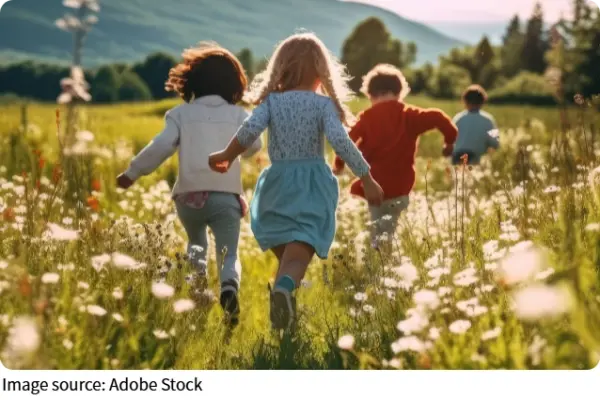
Lykkers, meaningful childhood experiences are often found in the simplest places. Every outdoor adventure, whether exploring a neighborhood park or observing the changing seasons, provides opportunities to learn through curiosity, movement, and discovery.
By encouraging children to spend more time outdoors, we support their physical, cognitive, and emotional development in a natural and enjoyable way. Every step into nature becomes an opportunity to build confidence, strengthen essential life skills, and develop a lifelong appreciation for the world around them.